The Science of Bokashi
Real research. Real results. See the evidence for yourself.
At Humus and Harmony, we believe in the power of bokashi—not just because we sell it, but because the science backs it up. This page is our growing collection of independent research studies that demonstrate how bokashi improves soil health, plant growth, and sustainable gardening practices.
Quick ReaD:
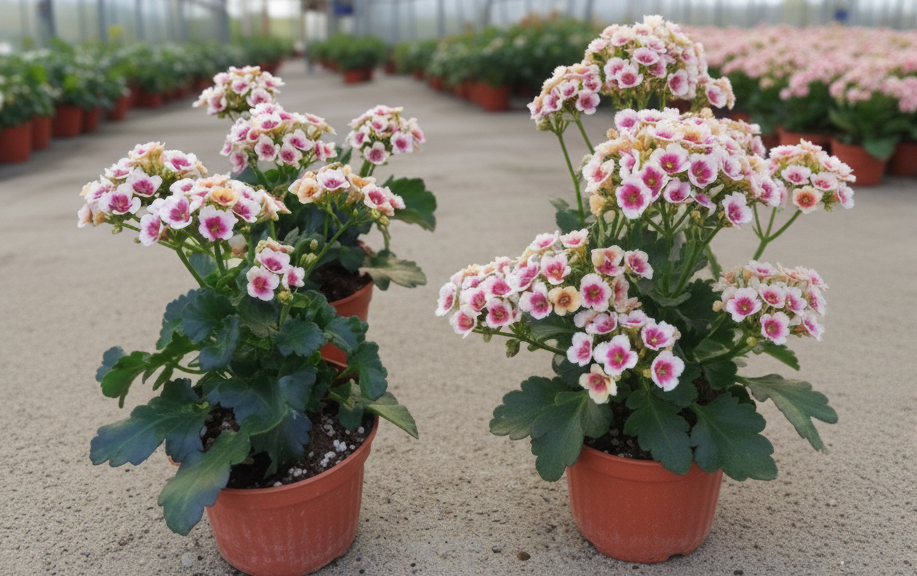
EM-Bokashi Addition to the Growing Media for the Quality Improvement of Kalanchoe Blossfeldiana
D. Prisa | CREA Research Centre for Vegetable and Ornamental Crops, Council for Agricultural Research and Economics, Italy
This study offers compelling visual evidence of bokashi's impact on ornamental plant quality. Researchers compared plants grown with and without bokashi in their growing media, documenting substantial improvements in plant vigor and overall health.
Why we love this study: It's a quick read with clear before-and-after photos that show the dramatic difference bokashi makes. Perfect for visual learners who want to see proof, not just promises.
Key Findings:
Enhanced plant vigor and overall health
Measurable improvements in growth quality
Visual side-by-side comparisons demonstrating the bokashi effect
[Read Google Scholar’s Full Study →] https://www.researchgate.net/publication/339711809_EM-Bokashi_Addition_to_the_Growing_Media_for_the_Quality_Improvement_of_Kalanchoe_Blossfeldiana
The “How To” section:
#1 How do I make Bokashi bran at home?
Believe it or not you can! Making a batch of Bokashi Bran just takes 4 ingredients and you already have 1 of them (water) at home! To make Bokashi Bran you will need the following: (1) Humus & Harmony Beneficial Microbes, unsulfured molasses, and wheat bran. If using a carbon source other than wheat bran you may need to adjust how much water you add.
This example we are making a 25 lbs batch:
Ingredients/materials:
25 lbs Wheat Bran
7.5oz Unsulfured Molasses
7.5z Microbial Inoculant
~2.5 gallons Water (non-chlorinated)
40gal trash bag
5 Gallon bucket (water & mixing)
Step 1:Pour your wheat bran into a heavy duty garbage bag. The bag will be used to help mix and ferment the bran.
Step 2: This part is optional but I find it helpful to fully dissolve the molasses. Using low heat, warm approx. 2 cups of water and pour in the 7.5oz of molasses to help dissolve.
Step 3: In a 5 gallon bucket combine the remaining water volume (~2.3 gallons) of water and the 7.5oz microbial inoculant. Then add the 2 cups + 7.5oz of dissolved molasses and mix.
Step 4: Pour the newly mixed solution into the wheat bran agitating to allow adequate mixing. The bag can be twisted closed & and the material can be bounced around inside to help evenly mix the wet / dry ingredients.
Step 5: To verify the water content take a fistful of wheat bran and squeeze it in your hand. If proper moisture is achieved minimal liquid should squeeze through your fingers. If your bran is too dry add small amounts of water and mix after each addition. If your mix is too wet you can add dry bran back in until your moisture level is met.
Step 6: Remove as much air from the bag as possible when closing. Twist shut and tape or tie the bag so it does not come undone. Make sure bag stays undisturbed in a cool/dry environment for approximately 2 weeks. Once the 2 week fermentation has completed you can use you bokashi bran immediately or we recommend air drying to allow for shelf stability. Fresh/wet bokashi can be stored in fridge for few days but should not be stored long term.
Step 7: Drying your finished Bokashi is as simple as setting up a tarp in your driveway and letting the wind and sunshine do their thing. A leaf rake is handy to mix up the bran and ensure even drying and no wet pockets. Once the wheat bran is completely dry it can be packaged and stored in a cool dry place for later use!
Tips:
Take the amount of Lbs you want to make in this case 25 lbs and multiply it by 0.3 to determine how many ounces of microbes and molasses is needed.
Example - 25# batch → 25 x .3 = 7.5 ounces
For the amount of water to use - its best to use less and have to add then to add too much but the multiplier I use is .1 to determine how many gallons are needed.
Example - 25# batch → 25 x .1 = 2.5 gallons
When the proper moisture level is achieved you should be able to form the bran into a softball and it should hold its shape.
When drying the thinner you spread your bran the faster it will dry. Raking periodically is also helpful
#2 How do I compost food scraps with Bokashi?
Composting your food scraps at home and indoors is actually really easy. Follow the guidelines below for successful composting. The goal of this process is to create microbial rich, fermented food scraps to feed the soil and or a traditional compost pile.
Ingredients/materials:
5 gallon bucket
Buck lid
Bokashi bran
Food scraps
Step 1: Take food scraps from kitchen and place into 5 gallon bucket - apply a light coating of Bokashi over the food scraps. Cover and repeat until bucket is full.
Step 2: Once bucket has been filled wait approximately 2 weeks for fermentation to occur then bucket can be added to outdoor compost piles providing a pre-composted microbial boost or it can also be buried/trenched into gardens getting the nutrients and microbes right into the soil.
#3 How do I expand out my Microbes?
The beauty of working with Bokashi microbes like lactobacillus is we can easy multiply the community of microbes to turn quarts into gallons of beneficial microbes by just adding unsulfured molasses and non-chlorinated water.
Below is for approximately a 5 gallon finished batch of microbes.
Ingredients/materials:
5 gallon bucket (HDPE)
Airlock + bucket lid (with airlock hole) from homebrewing store
Beneficial microbes
Unsulfured molasses
Step 1: Measure out 1 cup of your Beneficial microbes, 1 cup molasses, and fill bucket with water. Add airlock and wait 5-7 days at room temp.
Step 2: After 5-7 days verify the PH drops to ~3.4. This indicated that the process is completed. Keep finished material sealed in a cool dry place out of direct sunlight.
*Tips
Cooler temps cause fermentation to take longer
Warming a pan of water and adding molasses helps it dissolve faster - make certain its cooled or mixed with cool water before adding to microbes.
#4 How do I apply bokashi in my garden?
The beauty of working with Bokashi microbes like lactobacillus is we can easy multiply the community of microbes to turn quarts into gallons of beneficial microbes by just adding unsulfured molasses and non-chlorinated water.
Below is for approximately a 5 gallon finished batch of microbes.
Ingredients/materials:
5 gallon bucket (HDPE)
Airlock + bucket lid (with airlock hole) from homebrewing store
Beneficial microbes
Unsulfured molasses
Step 1: Measure out 1 cup of your Beneficial microbes, 1 cup molasses, and fill bucket with water. Add airlock and wait 5-7 days at room temp.
Step 2: After 5-7 days verify the PH drops to ~3.4. This indicated that the process is completed. Keep finished material sealed in a cool dry place out of direct sunlight.
*Tips
Cooler temps cause fermentation to take longer
Warming a pan of water and adding molasses helps it dissolve faster - make certain its cooled or mixed with cool water before adding to microbes.